



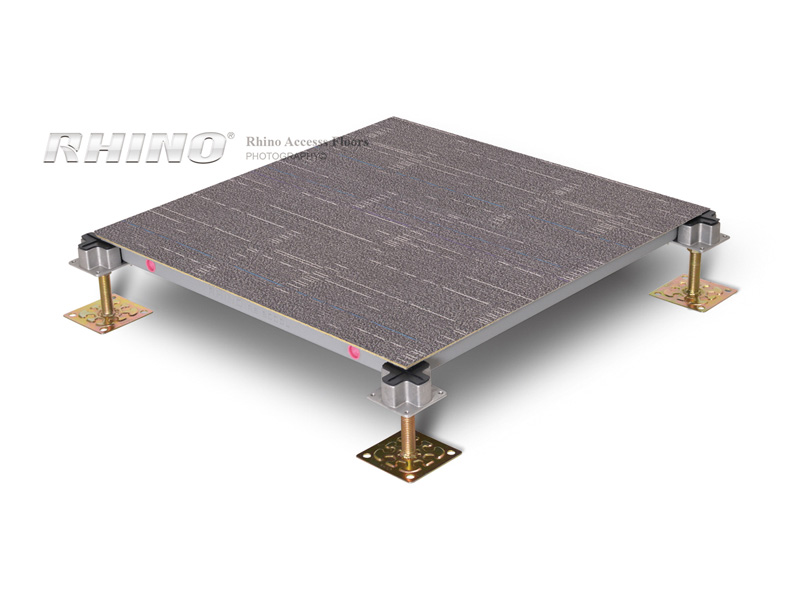
RhinoROC® bare finish raised access flooring panels are manufactured from cold rolled steel resistance welded, light weight cement-filled steel panels are specifically designed to accommodate dynamic loads and to withstand some of the highest ultimate loads in the industry. The design incorporates a classic 64 domes bottom shell with cross-beams and 4-ribbed beams strengthen center and perimeter of the panel, total 140 resistance welds dramatically improved edge load capacities, and overall panel durability.

RhinoROC® covered panel with trim edge has the same welded structural steel technology found in the Roc bare finish panel making the two interchangeable, high-strength but with various finishes are the premier choice for computer room and data centers.

RhinoROC® porcelain tile finish panel w/ L-trim has the same welded structural steel technology found in the RhinoROC® bare finish panel making the two interchangeable, high-strength with various colors for selection, this high-end raised access flooring system is a premier choice for hospitality lobbies, airports lounges, hotel clubs, shops and even data centers, works fast, easy to clean and maintenance.

RhinoROC® Airflow raised perforated panels are manufactured from structural steel technology makes the size and thickness same as Roc Covered panels but light weight. The top surface of the panel is laminated with anti-static HPL or conductive vinyl tiles with numbers of different airflow rates, this resistance welded all-steel panels are the premier choice for computer rooms and data centers.

The raised access floor system RhinoROC® vision glass panel grants unusual inside views and a striking lighting. The vision glass floors consist of pre-stressed float glasses, optionally with slip-resistant screen print and different grades of transmission of the panes. The substructure consists of height-adjustable zinc-coated steel pedestals from our own production which form the necessary cavity for installations and gaskets for sound decoupling.


RhinoEU® Bare finish raised floor panels are manufactured from a high density of calcium sulphate (approx. 1,650 kg/m³) non-toxic and non-combustible material. The top and base surfaces of the core are laminated with galvanized steel sheet. The panel edges are then laminated with an ABS/PVC edge band which provides protection to the calcium sulphate core.

RhinoEU® Covered raised access floor panels are manufactured from a high density of calcium sulphate (approx. 1,650 kg/m³) non-toxic and non-combustible material. The top surface of the core is laminated with Anti-static High Pressure Laminate (HPL) or Conductive Vinyl (PVC) tiles and the base surface is laminated with galvanized steel sheet. The panel edges are then laminated with an ABS/PVC edge band which provides protection to the calcium sulphate core.

RhinoEU® Full-encapsulated panels are manufactured from a high density of calcium sulphate (approx. 1,650 kg/m³) non-toxic and non-combustible material. The design incorporates a unique wrap around construction which makes panel removal and replacement easily. This design provides more strength on edges.

RhinoEU® Airflow raised access flooring perforated panels are manufactured from structural steel technology makes the size and thickness same as EU panels but light weight. The top surface of the panel is laminated with anti-static HPL or conductive vinyl tiles with numbers of different airflow rates, this resistance welded all-steel panels are the premier choice for computer rooms and data centers.

RhinoEU® porcelain tile finish panels are manufactured from a high density of calcium sulphate (approx. 1,650 kg/m³) non-toxic and non-combustible material. The top surface of the core is laminated with high-end porcelain tiles,and the base surface is laminated with galvanized steel sheet. The panel edges are then laminated with an ABS/PVC edge band which provides protection to the calcium sulphate core.

The dry hollow floor system RhinoEU® IFS Tongue & Groove Integral Floor System offers stability and state-of-the-art technology. The hollow floor panels consist of fibre reinforced calcium sulphate. The gluing of the IFS floor panels is made with a special tongue and grooving at the edges of the panels which are forming a closed load bearing layer. The substructure consists of height-adjustable zinc-coated steel pedestals from our own production which form the necessary cavity for installations. The system suitable for floor covering such as elastic coverings, textile coverings, parquet, ceramics, and natural stones.


RhinoFLOR® bare finish raised floor panels are manufactured from chipboard core (approx. 680 kg/m³) non-toxic and light weight material. The top and bottom surface of the core are laminated with galvanized steel sheet. The panel edges are then laminated with an ABS/PVC edge band which provides protection to the chipboard core.

RhinoFLOR® Covered raised access flooring panels are manufactured from a chipboard core (approx. 680 kg/m³) non-toxic and light weight material. The top surface of the core is laminated with anti-static high pressure laminate (HPL) or conductive vinyl (PVC) tiles and the base surface is laminated with galvanized steel sheet. The panel edges are then laminated with an ABS/PVC edge band which provides protection to the chipboard core.

RhinoFLOR® Full-encapsulated raised flooring panels are manufactured from chipboard core (approx. 680 kg/m3) non-toxic and light weight material. The design incorporates a unique wrap around construction which makes panel removal and replacement easily. This design provides more strength on edges.

RhinoFLOR® Airflow raised access flooring perforated panels are manufactured from structural steel technology makes the size and thickness same as RhinoFLOR® panels but light weight. The top surface of the panel is laminated with anti-static HPL or conductive vinyl tiles with numbers of different airflow rates, this resistance welded all-steel panels are the premier choice for computer rooms and data centers.


Alutec aluminum solid panel raised floors are specifically designed for the areas inside clean rooms where extremely heavy equipments are installed. The unique lattice structure of Rhino’s solid panel allows for excellent weight dispersion. Non-ferrous, precision-machined and lightweight, these panels offer ease-of-handling and a tight, precise fit.

Alutec aluminum perforated panel has the same lattice structure design of solid panel, the top of the panel is laminated with anti-static HPL or conductive vinyl, this perforated panel with 1,080 chamfered holes and nominal air open ratios from 17% - 25% are designed to meet specific air flow requirements for both data centers and clean rooms.

Alutec aluminum grating panel (50% airflow) is an ideal solution for cooling, this panel is specifically designed with no underside obstructions to provide optimum laminar air flow. It has been widely used in data centers and server rooms.

Alutec aluminum circular panel (55% airflow) is an ideal solution for cooling, this panel is specifically designed with no underside obstructions to provide optimum laminar air flow. It has been widely used in data centers and server rooms.


Cross Channel® system low-profile access floor is a cementitious filled steel multi-channel cable management system. It is height adjustable from 35mm to 100mm. The panel is made of high quality steel plates which are press-formed and filled with bubble cement, then sprayed with powder coat epoxy finish. Zinc-plated height-adjustable pedestals are self locking and range in height from 35mm to 100mm. Grooved channels interlock and keep components in place. Symmetrical concave design distributes loads evenly.

Cross Unifix® bare finish panel was manufactured from cold rolled steel resistance weld, light weight cement infill panels are specifically designed to accommodate 500mm x 500mm carpet tiles for general office’s application. Pre-formed outlet holes saved a lot of time on cutting panels for cable outlet at site. The Unifix® design maximized system’s stability and widely used in Japan market where earthquakes are frequent.

Cross low-profile floor tiles are manufactured from high quality galvanized steel formed in a triangle structure, is the primary tile used for low ceiling areas available from 40mm to 60mm height perfect for existing buildings that were not designed for traditional access floors, the galvanized steel modular tiles snap-in together very easily, and strictly for voice and data applications. This user-friendly series is readily installed and removed.


Meiah® high-pressure decorative plastic laminate is produced in accordance with the European standard EN 438 Class W2. Rhino finds it’s an ideal application in floors for which high surface wear is necessary, and finds it’s the best use in the construction of access floors which can be installed on all types of floor, whether old or new. The surface of Rhino Meiah® HPL is non-toxic, chemically inert and non-allergenic.

Bluetec® homogeneous ESD vinyl (PVC) guarantees permanent stability on electro-conductive resistance (2.5x10⁴ ~ 1.0x10⁶ Ω) or static dissipative resistance (1.0x10⁴ ~ 1.0x10⁹ Ω), it has been widely used in electronic industry, semi-conductor industry, telecommunications industry, medical industry and healthcare environment. Rhino access floors with Bluetec® ESD vinyl finish is the best choice for computer room, clean room, laboratory, telephone/mobile phone switching center, facility control center, and places where request static control, dust free, and friendly environment.
UC® modular carpet tiles are designed to stay on the floor with no upcurl, tapping or rippling. Our square tiles are easier to handle, install and maintain. They install with just 3-4% waste and as little as 2% compared to an average 15% for traditional roll carpet. It has been widely used for commercial applications such as offices, banks, retail units, public buildings, schools and health care centers. Rhino is committed to delivering superior carpet tiles in terms of quality, durability and designs through our continuous innovation.

Based on customized needs in the raised access flooring industry, Decorlux porcelain tiles are widely used and suitable for high-end commercial space, data rooms, equipment room and control rooms etc. They are also the latest technological materials for cabinet, countertops, wardrobe, furniture and other fields.

Decorlux® woven flooring can be used in a wide range of interior projects, adding both highend design and practical benefits. Explore how Rhino can be used to make your project stand out. Be inspired by how others have used our floorings to create commercial spaces to thrive in. When choosing Rhino you get a high-end design flooring with all the practical benefits of woven vinyl. Beautiful, tactile and easy to clean and maintain. A perfect choice for any commercial project.

DecorLux® is a durable, high performing flexible homogeneous multipurpose flooring suitable for most types of heavy traffic areas. It benefits from PUR Protect surface treatment with excellent cleaning characteristics, improved resistance to scratching and scuffing. DecorLux® is recommended for public, institutional and commercial buildings where ease of maintenance and long life under heavy traffic are required.

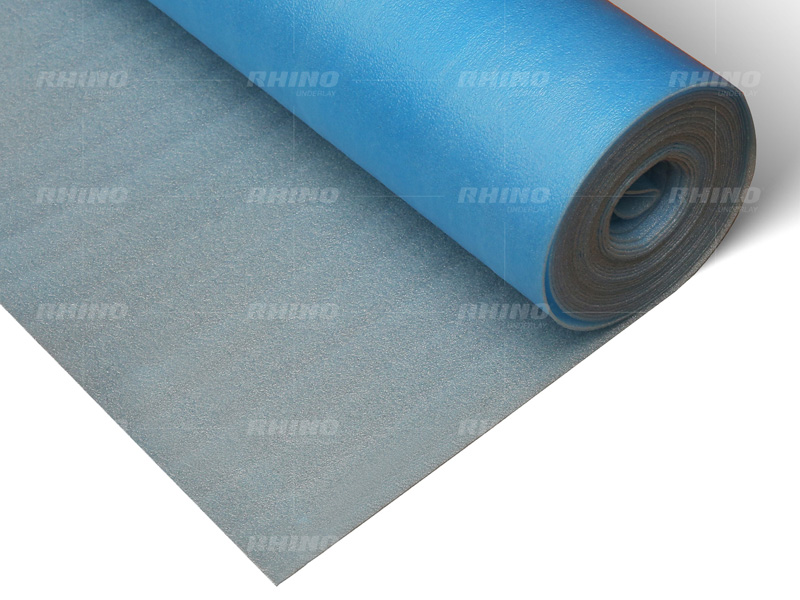
Blue Foam Underlayment is our basic underlayment option and a great choice for all laminate installations. The foam has an attached moisture barrier film and the added feature of an adhesive strip. This Blue Foam will absorb minor imperfections in the sub-floor, giving your laminate floor a smooth, even surface to float upon.
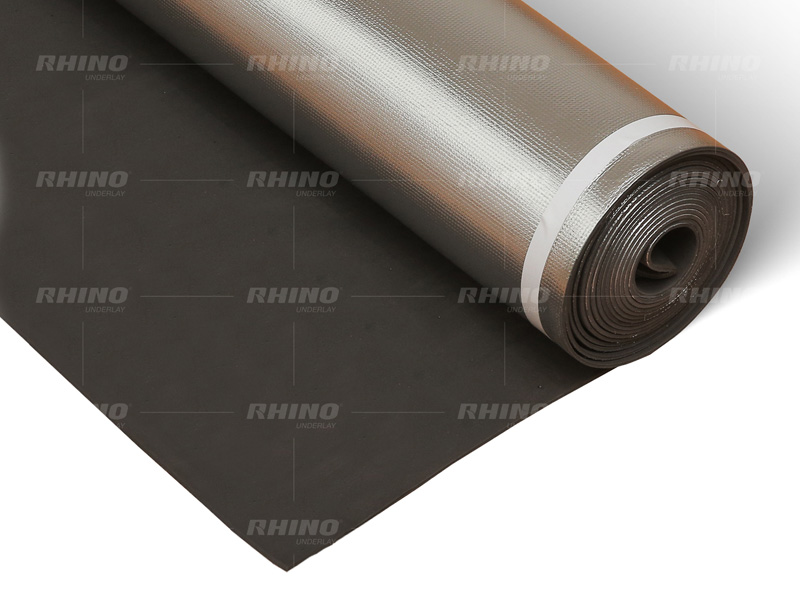
This underlayment provides superb sound and moisture protection. This underlayment will absorb minor imperfections in the sub-floor, giving your laminate flooring and rigid core vinyl flooring a smooth, even surface to float upon.
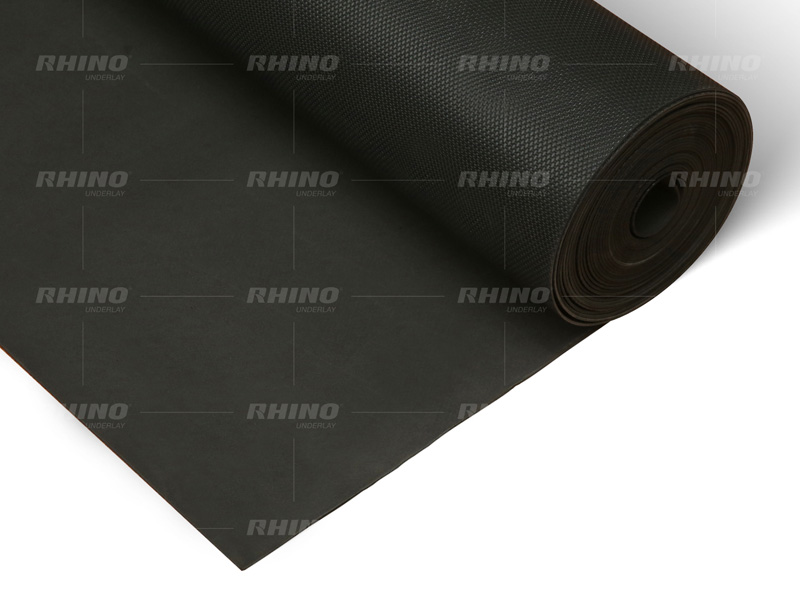
Sound Solution WPC/SPC flooring underlayment reduces floor noise by providing excellent sound absorption properties. In addition to sound absorption, it also serves as a superb moisture barrier. This high-density foam is suitable for use with floating WPC/SPC + Rigid Core LVT floors.
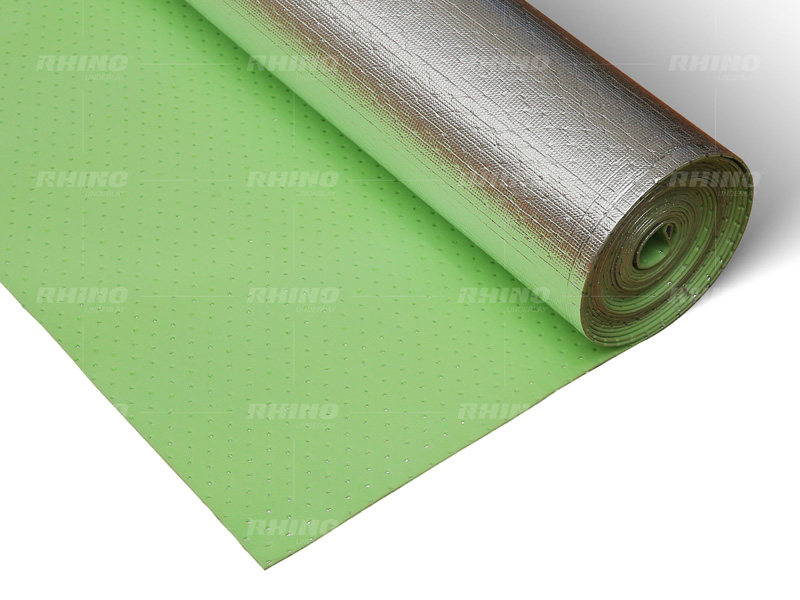
This underlayment provides superb sound and moisture protection. This underlayment will absorb minor imperfections in the sub-floor, giving your laminate floor a smooth, even surface to float upon.
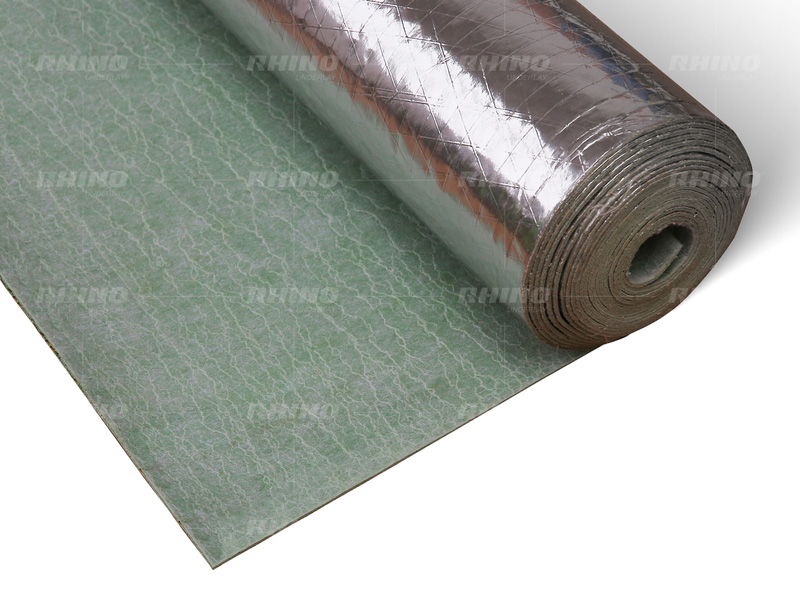
Rubber Underlayment provides superb sound and moisture protection. This underlayment will absorb minor imperfections in the sub-floor, giving your laminate floor a smooth, even surface to float upon.
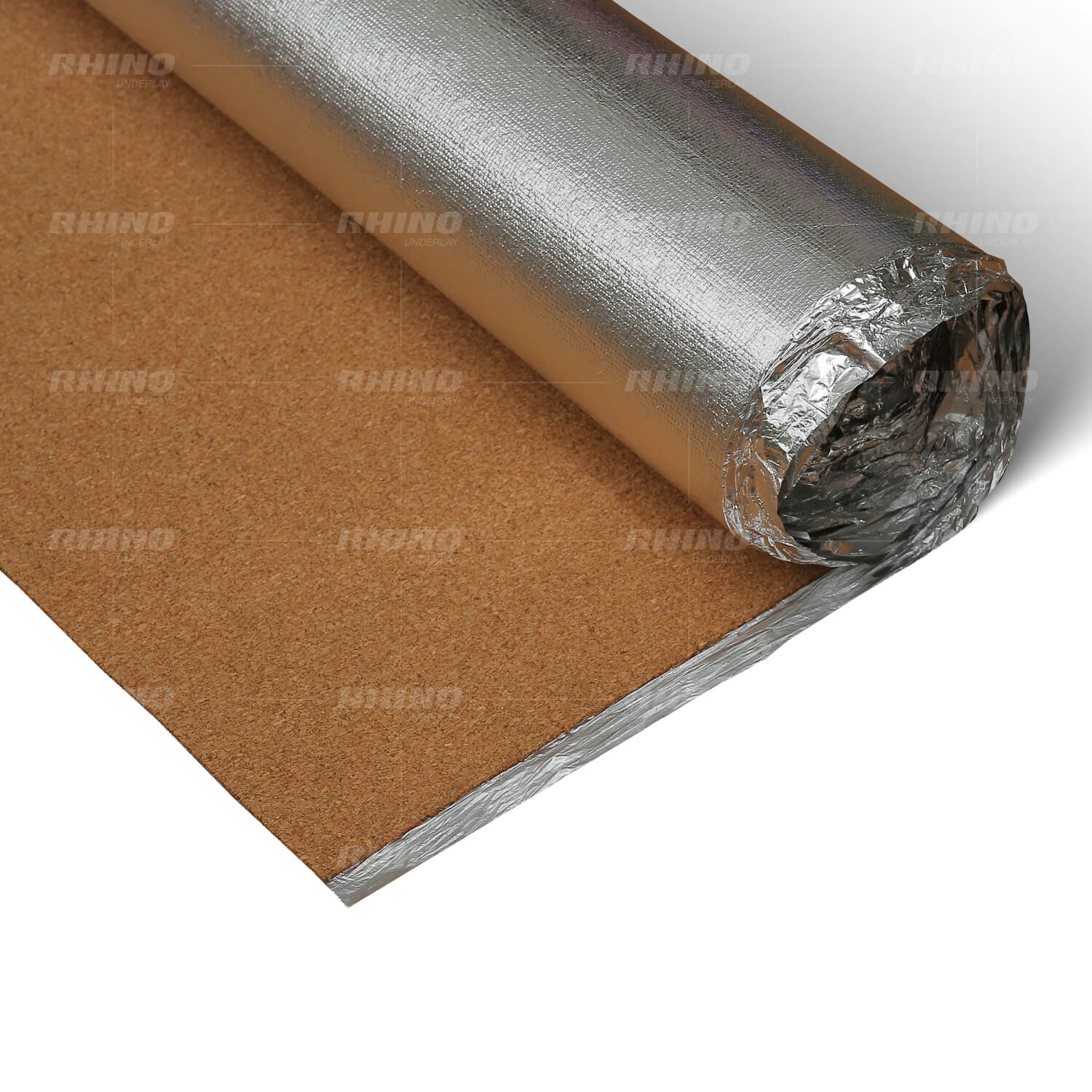
Cork mat can be used under every kind of floor and panels, effectively absorbs of vibration and tensions. Increasing durability of floor, even out of rough and reduce noise. Perfect natural footstep sound and thermal insulation of floor, decreasing lose of warm by the floor. Cork does not grow up, does not lose its own property, as the years went by. This material is made of bark from cork oak tree and bark grown again. Pull of bark does not cut trunk of cork oak tree.
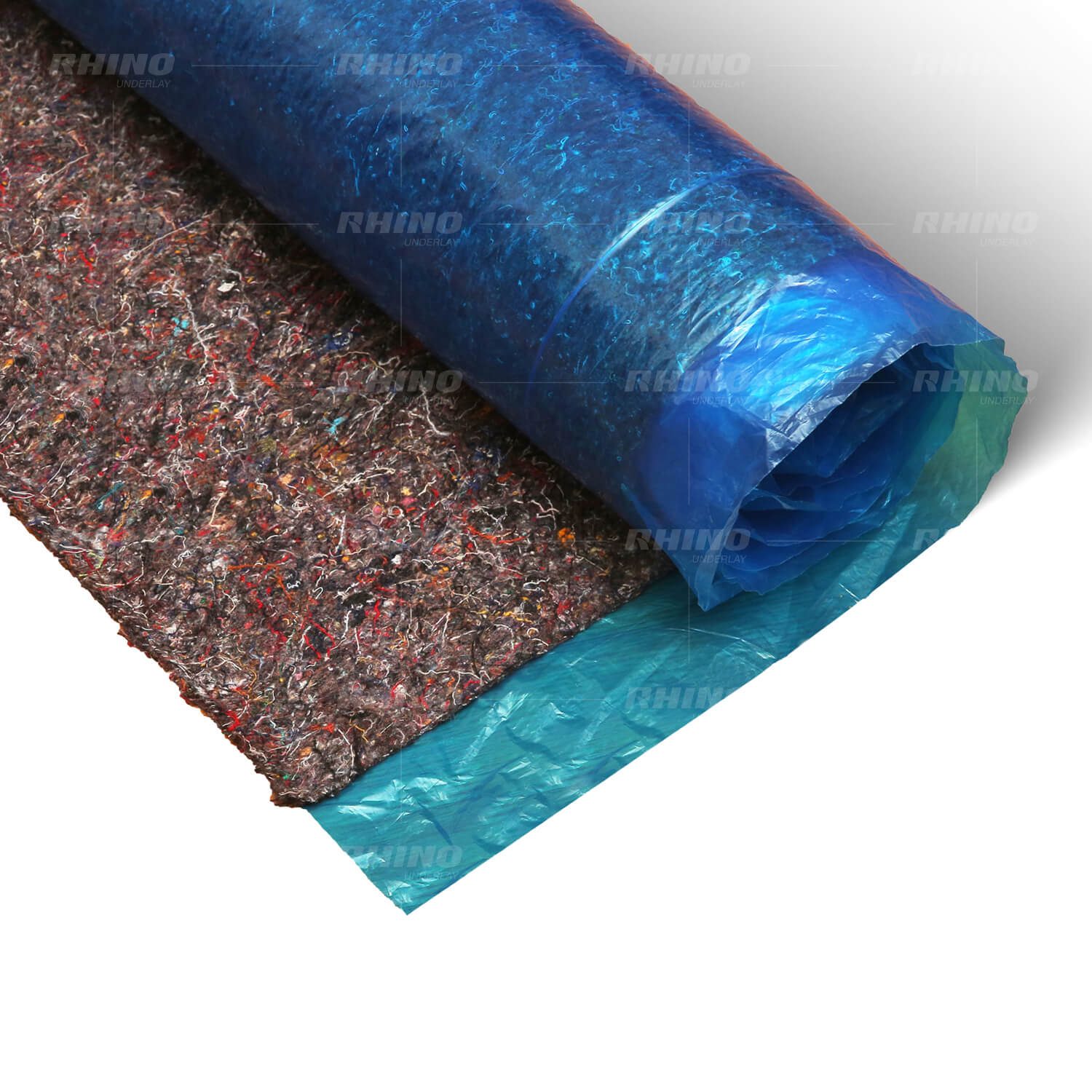
The felt premium underlayment is a 3mm thick insulating underlayment made to reduce noise and help cushion flooring. This felt underlayment is made from recycled fibers and compressed using a high heat manufacturing process.


Rhino iPed® outdoor adjustable pedestal is an innovative solution for external raised and ventilated terraces. Technology is based on usage height regulated adjustable pedestals supports which can adjust height of every terrace easily. Terrace supports eliminate water laying on the surface, constant humidity, moss and lichen expansion and water drainage problems. Ventilated terrace allows all time access to waterproof layer and easy maintenance.

Rhino stainless steel floor box is a cable management system designed specifically for the distribution of power, voice and data service to meet the requirements of raised access flooring environments. The system is economical, relocatable, easily installed and highly flexible thus providing good solution to meet every requirement demand by building owners, architects and consultants involving in providing a highly efficient and easily managed system for both new buildings and buildings under refurbishing.

AirSeal® grommet is an airflow management to prevent cold and hot air mixing in a data center, and increase a data center’s energy efficiency while increasing its cooling capacity. The Rhino AirSeal® grommet designed to seal access floor holes required for cable routing through the data center raised access floors, these products significantly minimize cool air loss, while improving the static pressure to effectively cool data center equipment, which helps prevent expensive electrical equipment from overheating.

Panel Lifter provides safety, versatility, and ease to a multitude of materials handling applications. Whether you need to lift, move, grab, secure or hold non-porous materials, our hand-operated vacuum lifters will make your job easier.

Clean rooms in electronics, semiconductors, aerospace, pharmaceuticals and similar process industries use raised access floors both as a service void and, where required, as part of the airflow path. The floor has to support heavy process equipment, stay cleanable and low-shedding, and, in electronics work, form part of the static-control system.
Air often moves through perforated panels as part of the room ventilation, so open area, edge sealing and cut-outs matter as much as the panel core. A conductive or static-dissipative wearing surface is specified where electrostatic discharge has to be controlled; an aluminum panel alone does not make a floor ESD-compliant without a designed grounding system.
Rhino’s published copy already places RhinoAlutec® solid and perforated panels, and DecorLux® conductive vinyl, in clean-room use. This is a primary market segment for Rhino even though the current Application CMS does not yet have a Cleanrooms child page.


These are frameworks commonly written into a specification in this market. They are not a claim that a particular Rhino product is certified to every standard listed. Check the Technical Specs on each recommended Models page, and confirm the required tests with the project specification.
